New London Architecture
Five minutes with...Dav Bansal, Glenn Howells Architects, Partner, responsible for the Birmingham Studio
Monday 14 February 2022
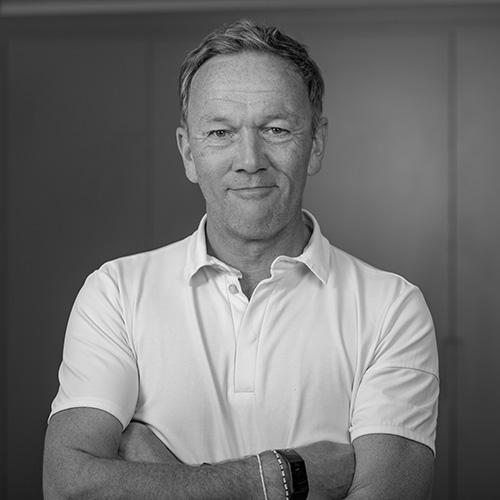

David Taylor
Hi, Dav. How are you? How's it going?
Dav Bansal
Yeah, very good, very well. Just enjoying I guess the ‘busy-ness’ of 2022. I mean, it's certainly a year of confidence and prosperity. So yeah, absolutely. Enjoying the start of the year.
David Taylor
It's busier, is it, this period?
Dav Bansal
It's certainly busier. Coming out of the pandemic, I think people are beginning to realize that we've learned so much, so many lessons. We've learned over the last two years and have taken so much away. And, I guess, we’ve corrected or adjusted our way of living. I think people are excited about new ideas moving forward now.
David Taylor
Very good. That's a very optimistic start!
So, I wanted to chat about the Commonwealth Games coming up for Birmingham and your work there. Chiefly, I think, amongst those projects, is the Athletes' Village. I'm wondering, firstly, whether you looked to London and 2012, to get any clues or any design ideas, or any operational ideas about how the Athlete's Village there functioned, both during the games – the Olympics – and after. Were there any lessons that you took on board?
Dav Bansal
Yeah, I mean, it's a very good question you've asked there, because when we were appointed early on to look at the Athletes’ Village, obviously we took a lot of lessons learned from our experience on the Athletes' Village at the Olympics, which we were involved with. We were one of the architects who designed a number of the plots, and we designed buildings, but we also designed chassis for other architects to come and build façades on them as well. We were looking at the optimization and the standardization of a lot of the internal mechanics and structures of the buildings and planning in the layout. We were developing a chassis to allow other architects to put the body around it. And so, the lessons learned there were very much discussed, and built on, when it came to looking at the new Athletes’ Village for the Commonwealth Games. But also, equally importantly, was the context, the culture and the neighbourhood and existing communities that also lived and existed around the Perry Bar region. Looking at transport connections, looking at green spaces, looking at the tenure, and also looking at using existing infrastructure to understand that. How can this be delivered so it very much fits in with the existing neighbourhood, but builds on the demand of new homes and bringing in also new typologies as well? I mean, Perry Bar is very well regarded for its family housing. But it is also equally, very well connected to the city through the bus transport, as well as railway transport as well. So, what we were trying to do was look at how we create homes for a larger range of ages and diverse community as well.

David Taylor
Back in 2012, obviously, there was no COVID. How has the pandemic affected the design of the Athletes’ Village during games time? Is there any change that you've had to incorporate in terms of, I don't know, health, essentially?
Dav Bansal
A lot of the early thinking on the homes, be that for games mode, or, more importantly, for the legacy mode, was about creating a healthy outdoor sort of neighbourhood. So, you know, in terms of the generosity of private outdoor spaces, roof garden terraces, podium gardens, as well as the master plan. It had a huge park, a new neighbourhood park in the centre of it, which had a pavilion building opportunity for sports and leisure. So it was a chance for the community to come together and enjoy being healthy or increase their wellbeing and do that through sports activities. So, a lot of that thinking was very much pre-pandemic, in that respect. And so, as we went through the pandemic, again, we did review a number of revisions but actually felt quite reassured that the decisions we were making, were already thinking ahead of a healthy lifestyle. I think the pandemic and what we've experienced has made us realize that this needs to be done - how do we accelerate the opportunities now to ensure that we are living in healthier environments?
David Taylor
You've been in the city now for some 30 years? What is your ‘status’ as an architect, if I can put it that way, in the city these days?
Dav Bansal
You know, we've been involved with the city and with clients and what we've always tried to do is to bring both the opportunities that come to the city and work with the council to make sure that there is a shared vision and joined-up thinking and opportunities. So, I think that's been really important. And what I believe that has done has taken the opportunity from being an architect that does developments in the city that they're based in to becoming trusted advisors to work with the city, to work with new investment and new clients and with existing relationships that we have with the city as well. So, I think we regard ourselves as being sort of custodians of the city, and helping to work with the council, to work with other architects as well, to bring a collaboration of designers and thinkers, and makers into the city. And, to do the right thing for the city. So, you know, we're more than just architects, when it comes to our home city, Birmingham.

David Taylor
I have to ask you this, given all the talk of ‘levelling up’ last week with the levelling up White Paper: how has it been perceived from Birmingham's point of view vis a vis London’s point of view, would you say?
Dav Bansal
I think what I'm beginning to see, especially in the region, and particularly Birmingham, is that we're coming out of the shadow of London. And I think finally, now, with the sort of confidence in the city with the investment that's being put into the city with the opportunities of not just the Commonwealth Games, but the city of culture, government departments, even theatre and TV production, beginning to move into the city as well as a number of new businesses. It's given the city a huge amount of confidence to invest. And I think that is beginning to be realized. What Birmingham is beginning to do now is really show itself off as a city, a metropolis city that has got a very huge personality, which can put it on a global platform. And I think I'm seeing that for the first time in my career in Birmingham.

David Taylor
Yeah, I remember maybe a decade ago now being shown around by one of the key planners at the time, I forget who...
Dav Bansal
Clive Dutton?
David Taylor
Yes, it might have been – he was talking about the removal of the concrete collar, I think it was called.
Dav Bansal
Yeah. The Paradise project is one of those projects, which has broken up that concrete collar, created a whole new piece of public realm, connected existing public realm with new public realm. And it's been based very much on the connectivity and the spaces between the buildings, and a lot of that is about taking cars out. You know, rebalancing it so that yes, there is accessibility for vehicles, but it's pedestrian and cycle priority. So, it’s that greening up, but I think even now, since the pandemic, when the city was empty, and the roads were then used for outdoor seating and cycling, it's really made the city realize that we've got to do more to make the city a healthier city. Clive Dutton was the instigator for the Big City Plan, which really revolutionized Birmingham since, the Highbury Initiative that happened, 20 years before that. And he said: ‘We can't continue to work on the Highbury initiative for the next 20 years. So, we've got to bring in a joined-up vision for the city. And that was the Big City Plan.
One thing I did want to say is that I think that the three key areas that we have been working with, especially with the City Council since our involvement with the city, there has been a demand for economic growth and investment, creating jobs and improving skills with new and existing businesses. Like Paradise, which is about the opportunity to bring in new businesses, which then create new jobs. And even with the governmental movements and departments coming over here, it's creating jobs that otherwise would have been in London. And now there's an opportunity to bring those jobs in as new skills here. I think the other thing you may pick up at Birmingham, it's about cleaning up the city, greening it up, so becomes a healthy and desirable place because I think Birmingham had gone through its fair share of manufacturing. And therefore, what's left behind is a city that, you know, has got a reputation for not being a very healthy city. I think that the city council is now beginning to really push that agenda forward, which I think many other cities are doing. Many of the manufacturing and textile cities have gone through that sort of industrial revolution.

David Taylor
That’s very interesting.
So, very lastly, the Commonwealth Games, are you excited about it? And do you get free tickets? (laughs)
Dav Bansal
(laughs) Hopefully, we'll get some tickets as part of our involvement, but I think, you know, the Commonwealth Games is a significant milestone. I think it's celebrating the city's multicultural population. And I think what it begins to do is look beyond the city centre to our diverse communities. I mean, this development in Perry Bar would have happened, but I think it would have taken probably a decade for it to happen, had it not been for the Commonwealth Games. So, I think that what we're seeing now is that we've spent the last decade unlocking the centre of the city; now we're looking at exploring neighbourhoods and local centres outside of the core. So, this was always the plan. But I think with these opportunities, you know, with these global events that are happening in Birmingham, now that's accelerated that desire to now look outside of city core, and get our Phase Two plan working, going forward. So, I think bringing a sports and leisure investment into the wider Birmingham will have not only lasting impact, but you know, it will be a catalyst for legacy projects as well.
David Taylor
Brilliant. Well, let's hope we win lots of medals as well! And that you guys do for your designs. So, thank you very much for your time, Dav. It's been great to hear.
Dav Bansal
Thank you, David. Really, appreciate the opportunity.
Share this news


Recent

News
Timber Logic, Tower Living: A New Identity for Wood Wharf
Laurence Osborn, from GRID Architects, explores how Wood Wharf’s towers rethink façade and living design to create a mor...

News
Five minutes with... John Tuomey and Jen McLachlan
David Taylor sits down with John Tuomey and Jen McLachlan to discuss V&A East, its design, collaboration, East Bank cont...

News
Rethinking Tall Buildings Through Façade Innovation
Hans Jansen of Permasteelisa Group explores how façade innovation is cutting carbon and enabling reuse in tall buildings...
Stay in touch
Upgrade your plan
Choose the right membership for your business
Billing type:
Small Business Membership
£90.00
/month
£995.00
/year

For businesses with 1-20 employees.
Medium Business Membership
£330.00
/month
£3,850.00
/year

For businesses with 21-100 employees.

View options for
Personal membership