New London Architecture
NLA celebrates 15 years of bringing people together to shape a better city
Friday 10 July 2020
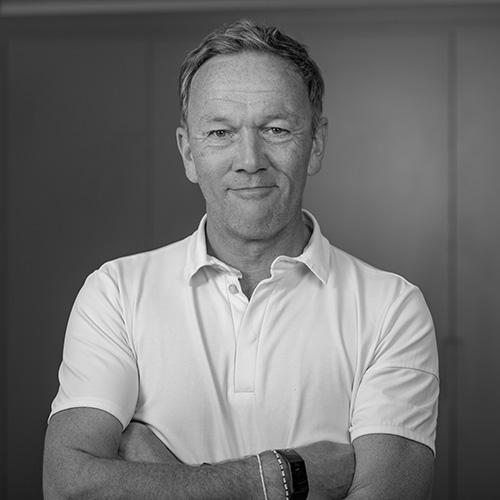

NLA celebrated its 15th birthday this week with a look back to its foundations but also forwards to helping its uniquely cross-sectoral membership continue to strive for a New London we’d all like to live in.
That was according to NLA curator in chief Peter Murray and chief executive Nick McKeogh, interviewed by joint managing director Tamsie Thomson following a 30-minute presentation of the organisation’s work in the 15 years since it came into being, just as bombs hit the capital’s underground system, and a day after the announcement that the Olympics were coming to London.
That time led Murray to realise the power of cities, he said, and the ability London has to bounce back from ‘pestilence’ and other challenges, which has a relevance today with the onset of COVID-19. The journey began in earnest at the offices of Blueprint, where Murray said his interest in bringing people together started, and went on through McKeogh’s involvement in creating a model for London that was used as the centrepiece for marketing and debate at MIPIM. Key exhibitions followed including Inhabited Bridges at the Royal Academy, a model at City Hall in 2002, and the Clerkenwell Bienale, where Murray drive cattle down Saint John Street and streets were opened to people. ‘It is quite amazing what happens when you put a bit of grass on the street’, he said. ‘People’s relationship with the street totally changes and creates a totally different place. It was a real eye-opened about how public space is so important to the city and how you can change a city. And that’s been a thread which runs through a lot of our work.’
NLA set up at the Building Centre in a bid to return it to its status as a ‘hive of activity’, said Murray, with plans for permanent and temporary exhibitions that today are ‘the buzziest built environment location in London’. But part of that success is the cross-sectoral nature of its appeal from designers through to product manufacturers.
The future will be about more workshops and design charettes, and more about engaging locally with Londoners about what is happening to development in their areas, with NLA having ‘interesting discussions’ with boroughs on that point, including with Croydon on an urban room and sharing knowledge, ideas and best practice, said McKeogh. In response to a question from Carolyn Dwyer of the City, McKeogh added that London’s greatest strength is its diversity, but organisations like NLA can, in a sense, ‘never do enough’. There are significant moves in train, however, arising from the passionate debates on this issue that have been had with members of the team. Murray said the next 15 years will likely see an NLA ‘with an even stronger role to play’. ‘I believe in cities’, he said, ‘and I believe that we have a role to play to support London and to champion London both internally in terms of changes here but also internationally… we can promote the diversity and excitement of London itself’.
Finally, the NLA has also updated a New London Charter it wrote some 10 years ago about the kind of city it wants to shape. Murray again: ‘I showed this to Jamie Dean, then in the mayor’s office, and he said “New London; that’s great. I’d like to live there”’.
Follow #NLAis15 on social media for daily updates.
Follow #NLAis15 on social media for daily updates.
WEBINAR - NLA AT 15: IN CONVERSATION WITH THE FOUNDERS
Marking NLA’s 15th anniversary, this webinar brought together the founders Peter Murray and Nick McKeogh in a webinar chaired by NLA Director Tamsie Thomson.
THE CHANGING FACE OF LONDON - FIFTEEN YEARS
To mark its 15 year anniversary, NLA is hosting an exhibition, programme of research and a publication to chronicle the remarkable transformation of large areas in the capital over the last 15 years.
Find out more
Join the conversation on social media using #changingfaceofLDN
Find out more
Join the conversation on social media using #changingfaceofLDN
Share this news


Recent

News
Five minutes with… Leigh Johnson
David Taylor meets Leigh Johnson, managing director of Barking Riverside, to quiz her over the 20,000 homes project and...

News
Winning Design Announced for 'Hope in the Square' Competition
NLA in partnership with the London Borough of Southwark are proud to unveil the winning design of our 'Hope in the Squar...

News
Our partnership with ActionFunder to deliver measurable social value
NLA and ActionFunder partner to give London’s built environment sector a scalable way to deliver and prove community imp...
Stay in touch
Upgrade your plan
Choose the right membership for your business
Billing type:
Small Business Membership
£90.00
/month
£995.00
/year

For businesses with 1-20 employees.
Medium Business Membership
£330.00
/month
£3,850.00
/year

For businesses with 21-100 employees.

View options for
Personal membership