New London Architecture
The Unheard Voices of Youth Shaping the Built Environment
Tuesday 02 September 2025

Research across the UK and Europe shows that dynamic creativity and genuine ownership emerge when young people play a substantive role in shaping their environments. Empowering young people not only elevates the quality of placemaking but also cultivates pride, belonging, and civic engagement within their communities.
Occupying a unique position between childhood and adulthood, young people offer insights into how spaces and places function and evolve. This dual perspective—shaped by both past experiences and current observations—helps to spot subtle and significant barriers to inclusion, and wellbeing that traditional processes can overlook.
Despite the value of these perspectives, the voices of children and young people remain underrepresented in the planning and shaping of the built environment. Engagement with them is frequently tokenistic or superficial.
Occupying a unique position between childhood and adulthood, young people offer insights into how spaces and places function and evolve. This dual perspective—shaped by both past experiences and current observations—helps to spot subtle and significant barriers to inclusion, and wellbeing that traditional processes can overlook.
Despite the value of these perspectives, the voices of children and young people remain underrepresented in the planning and shaping of the built environment. Engagement with them is frequently tokenistic or superficial.
This opportunity is made all the more relevant by England’s recent decision to lower the voting age to 16 —a historic shift that embeds about 2 million new voters in the nation’s democratic process. Teenagers now have a formal voice in how their communities are governed and developed, including the public spaces and placemaking that defines everyday life.
With their new political clout and their unique viewpoint as both former children and emerging adults, teenagers hold the keys to the future of better public space design. It is crucial that planners, councils, and designers listen intently to what young people have to say, give them formal avenues to participate, and treat their perspectives as expert knowledge. By embracing the insights and energies of this age group, society can create public places that are more inclusive, resilient, and inspiring for everyone who uses them. This political recognition reinforces the importance of involving young people in the planning process—not as passive participants but as central contributors bringing expert, lived experience.
This shift challenges professionals—architects, planners, and developers—to rethink their approach, viewing young people as collaborative partners. Projects that have embraced authentic youth involvement consistently reveal both the obstacles and rich opportunities for community expression and belonging. Moving beyond superficial consultation to integrate youth voices through participatory design and dialogue results in spaces that genuinely serve all users.
Recognition of this approach is embodied by the Inspire Future Generations Awards, which highlight the outstanding impact of youth participation in place-making. Recognising past winners such as AHMM, British Land, London Borough of Waltham Forest, Latimer by Clarion Group, Stanton Williams, Freehaus, these awards set benchmarks in built environment practice, climate resilience, youth engagement, and public health. By showcasing projects with robust involvement—through co-design workshops, innovative programmes, or partnerships—the awards foster idea-sharing and inspire further change in the sector. Involving young people from ideation to project delivery ensures that placemaking remain vibrant, inclusive, and resilient into the future.
With their new political clout and their unique viewpoint as both former children and emerging adults, teenagers hold the keys to the future of better public space design. It is crucial that planners, councils, and designers listen intently to what young people have to say, give them formal avenues to participate, and treat their perspectives as expert knowledge. By embracing the insights and energies of this age group, society can create public places that are more inclusive, resilient, and inspiring for everyone who uses them. This political recognition reinforces the importance of involving young people in the planning process—not as passive participants but as central contributors bringing expert, lived experience.
This shift challenges professionals—architects, planners, and developers—to rethink their approach, viewing young people as collaborative partners. Projects that have embraced authentic youth involvement consistently reveal both the obstacles and rich opportunities for community expression and belonging. Moving beyond superficial consultation to integrate youth voices through participatory design and dialogue results in spaces that genuinely serve all users.
Recognition of this approach is embodied by the Inspire Future Generations Awards, which highlight the outstanding impact of youth participation in place-making. Recognising past winners such as AHMM, British Land, London Borough of Waltham Forest, Latimer by Clarion Group, Stanton Williams, Freehaus, these awards set benchmarks in built environment practice, climate resilience, youth engagement, and public health. By showcasing projects with robust involvement—through co-design workshops, innovative programmes, or partnerships—the awards foster idea-sharing and inspire further change in the sector. Involving young people from ideation to project delivery ensures that placemaking remain vibrant, inclusive, and resilient into the future.

Share this news


Related

News
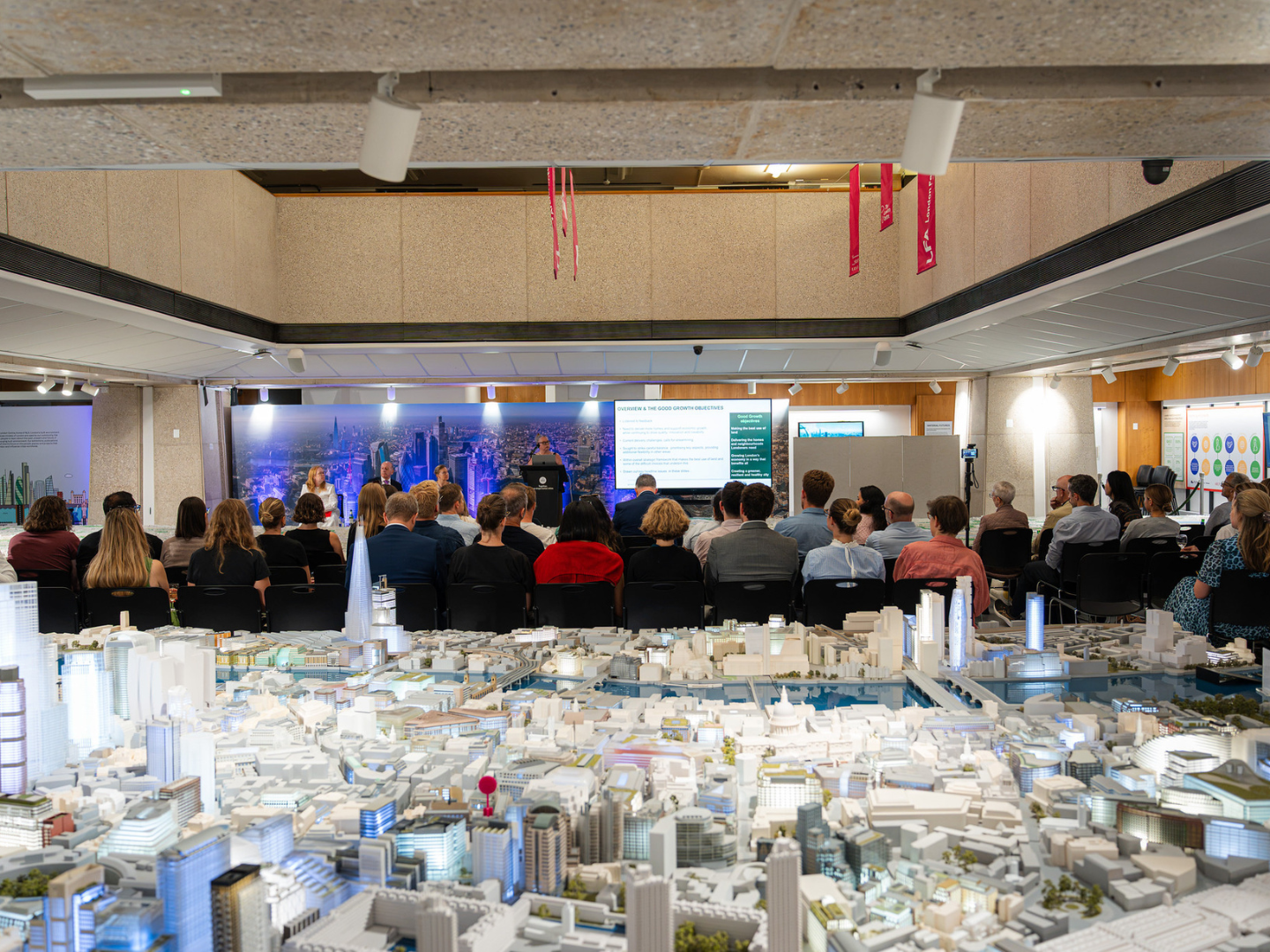
Skills for Places: My path to the Greater London Authority
Hear from Isobel Parnell on her path to starting her career at the Greater London Authority, and what a typical day look...
Video
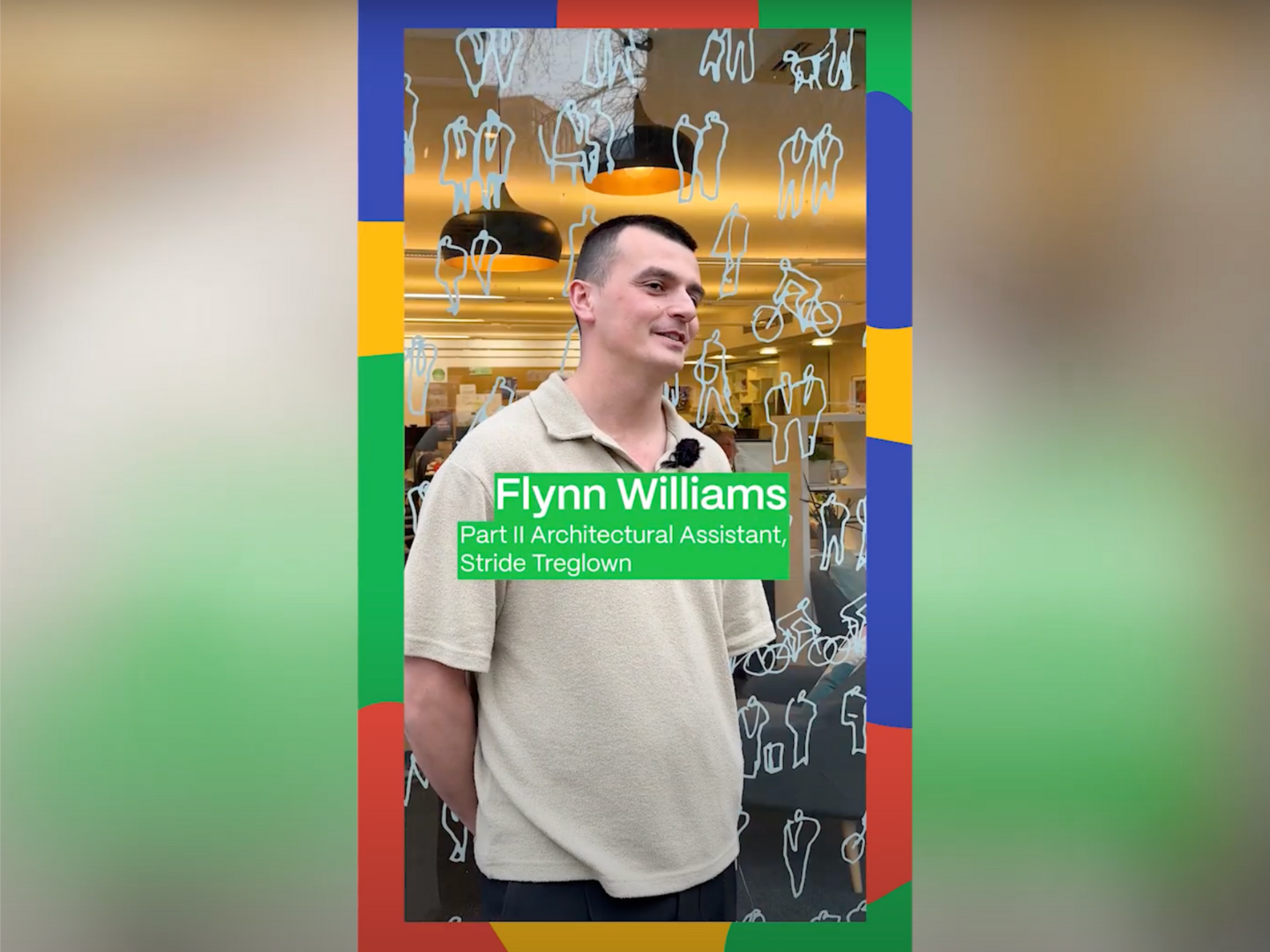
Skills for Places - My Story: Flynn Williams, Part II Architectural Assistant
Flynn Williams, Part II Architectural Assistant at Stride Treglown, shares his experience and journey into the built env...
Watch videoStay in touch
Upgrade your plan
Choose the right membership for your business
Billing type:
Small Business Membership
£90.00
/month
£995.00
/year

For businesses with 1-20 employees.
Medium Business Membership
£330.00
/month
£3,850.00
/year

For businesses with 21-100 employees.

View options for
Personal membership